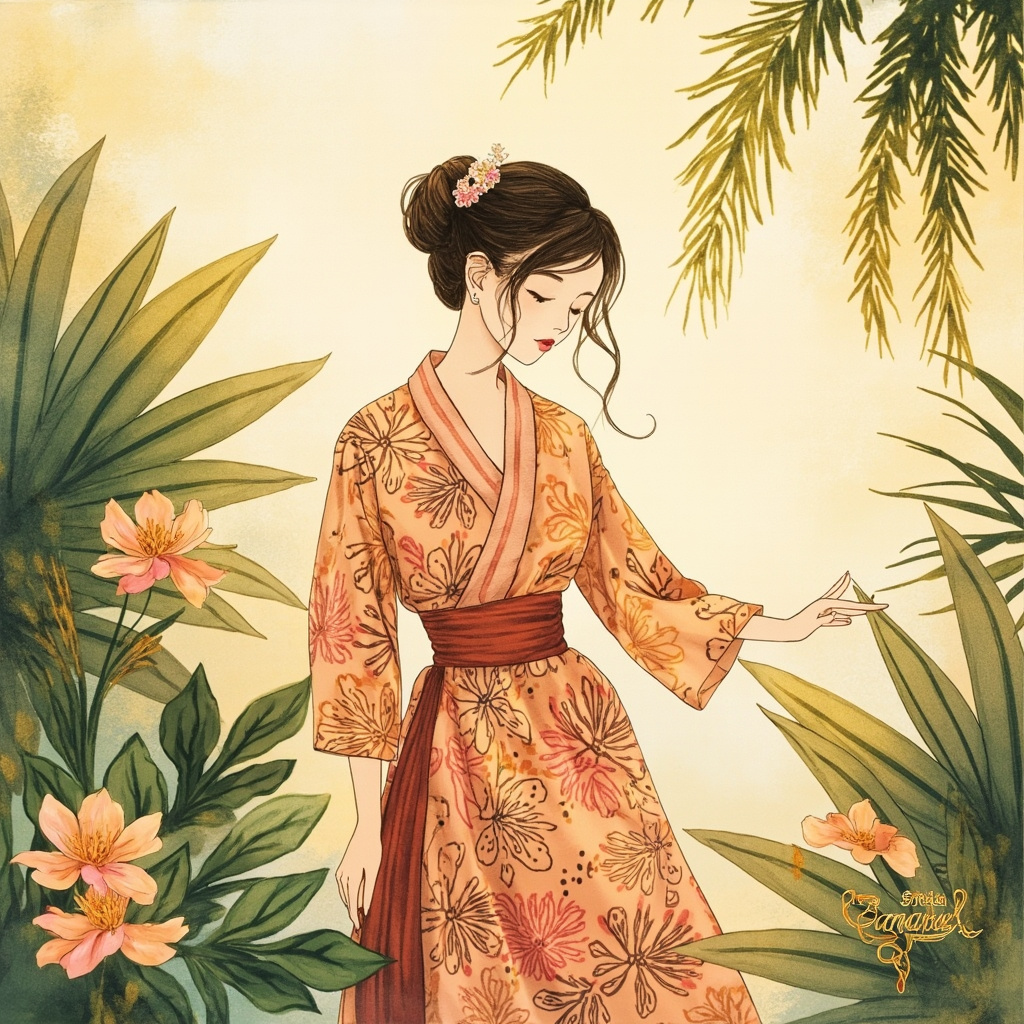
Kanoe is a Malaysian Batik brand that sells “one-of-a-kind” pieces. Each design produces only one or two units. If you’ve ever wanted something that won’t be on everyone else, this might be your brand. But the real question is whether the price makes sense for what you’re actually getting.
What Kanoe Actually Is
Kanoe started with Noelle Kan’s vision of modernizing Malaysian Batik for everyday wear, not just special occasions. The tagline “Child of the Tropics” captures the approach—clothing designed for humid weather, cultural authenticity, and contemporary aesthetics without becoming costume.
The brand works differently than typical fashion labels. Each batik design produces only one or two units. This isn’t artificial scarcity as a marketing tactic. This is the practical reality of working with traditional artisans and limited fabric runs. When a piece sells out, it’s genuinely gone.
Kanoe collaborates with local batik artisans across the Indo-Malaya region. The supply chain includes refugee communities, fair trade partnerships, and zero waste commitments. These aren’t claims on an about page—they inform how the business operates.
Small batch production defines everything. Fabric comes from natural sources. Construction follows traditional methods. The pace isn’t fast fashion’s speed. Results include pieces that feel chosen rather than accumulated.
The practical price range sits between MYR 200 and MYR 500 for most items. Below luxury designer pricing but above fast fashion. The value proposition centers on cost-per-wear and the experience of owning something genuinely unique.
The Actual Wearing Experience
Three months with Kanoe pieces provides enough data for honest assessment.
Fabric quality distinguishes the brand immediately. Natural fibers—cotton, linen blends—breathe in ways synthetic alternatives cannot. Malaysian humidity creates real challenges for clothing. Walking through KL in a Kanoe piece versus typical resort wear shows the difference. Moisture escapes rather than trapped.
The batik prints carry genuine authenticity. These aren’t digital reproductions of traditional patterns. The wax-resist process creates characteristic variations that mass production cannot replicate. Each piece shows subtle differences that prove its handmade origin.
Construction quality matches the materials. Seams get finished properly. Buttons and hardware selected for longevity. After regular wear including machine washing on gentle cycles, pieces maintain their structure and color. Hand washing would extend this further.
Care requirements stay reasonable. Kanoe recommends hand washing but acknowledges most buyers won’t follow this strictly. Machine washing on gentle with cold water hasn’t caused visible damage in testing. Drying flat prevents stretching. The practical maintenance sits within normal ranges.
The shopping experience requires adjustment. Most pieces ship from Malaysia, not Amazon-style warehouses. Availability fluctuates based on production batches. Ordering requires patience. If you need something for next week, Kanoe likely isn’t the answer.
Why Unique Isn’t Always Better
The one-of-a-kind model creates genuine tradeoffs.
Shopping pressure builds naturally. You see a piece. You hesitate. You come back later. It’s gone. This cycle repeats until you either make faster decisions or accept that some pieces weren’t meant to be yours. Some find this exciting. Others find it exhausting.
Exchange policies reflect the model’s constraints. When a piece sells, there’s no identical replacement. Size exchanges happen when inventory allows, not automatically. Understanding this before purchasing prevents disappointment.
Shipping timelines vary more than large e-commerce platforms. Small batch production means inventory isn’t always ready to ship. Preparation takes weeks rather than days. International orders require additional patience.
Physical retail remains limited. Only two locations exist: REXKL in Kuala Lumpur and The Campus in Ampang. Most buyers outside Malaysia purchase online. Without try-on opportunities, sizing requires careful attention to measurements.
Social sharing becomes complicated. You find a Kanoe piece you love. You recommend it to a friend. They click the link. The piece sold out last week. The one-of-a-kind model means your enthusiasm for a piece cannot translate to others purchasing it.
Honest Assessment
Kanoe succeeds in specific ways and carries genuine limitations.
The brand works when you want unique clothing without obvious branding. These pieces don’t announce themselves with logos. They attract attention through distinctive patterns and quality rather than status signals.
Supporting artisans and refugee communities happens through purchase decisions. When you buy Kanoe, you’re contributing to traditional craftsmanship and fair trade employment rather than mass manufacturing. This matters to some buyers and aligns with actual business practices rather than marketing claims.
The tropical climate fit is real. Fabrics breathe. Patterns suit humid weather. Designs work for casual days and semi-formal occasions without appearing costume-like. This versatility rare in culturally-inspired fashion.
The shopping model fails when you need certainty. Trying before buying matters for significant purchases. Consistent sizing across multiple pieces helps build a wardrobe. Easy returns reduce risk. Kanoe provides none of these assurances.
The price demands commitment. MYR 200-500 per piece adds up quickly. Building a full wardrobe requires significant investment. Budget constraints make this brand difficult to justify beyond occasional pieces.
Kanoe suits specific shoppers. Those who value unique clothing without loud branding find genuine options here. People tired of fast fashion’s environmental footprint appreciate the artisanal approach. Shoppers comfortable making quick decisions thrive in the one-of-a-kind model. Anyone seeking alternatives to mass-produced clothing discovers real choices.
Kanoe doesn’t suit everyone. People who need to try before buying face genuine obstacles. Those wanting consistent sizing across purchases get frustration rather than satisfaction. Shoppers requiring easy returns should shop elsewhere. Budget-conscious buyers encounter price points that demand justification.
Closing
Kanoe proves that slow fashion can produce wearable, everyday pieces rather than just special occasion items. The one-of-a-kind model isn’t for everyone, but for those who appreciate artisanal uniqueness and don’t mind the pressure of “buy now or miss it,” this brand delivers something genuinely different.