
You want to dress more sustainably. You’ve tried the obvious choices—the global brands with the sustainability credentials, the expensive eco-labels, the “conscious collection” from fast fashion retailers that somehow still uses polyester. And either the prices made you wince, or the clothes looked like what you’d imagine a sustainable fashion brand would design if they asked a focus group to describe sustainable fashion.
Dear Samfu is different. Not because it’s cheaper (it’s not cheap). Not because it’s the answer to every eco-conscious shopper’s prayers (it’s not). But because it has something most sustainable fashion brands lack: a reason to exist beyond the sustainability.
The Samfu Story Starts With Two Singapore Sisters
Trixie and Theresa Chua founded Dear Samfu in 2020. The name comes from “samfu”—the Cantonese word for the traditional two-piece outfit, top and pants, that Chinese women in early Singapore wore. The kind of practical, comfortable clothing your grandmother might have worn, or your great-grandmother.
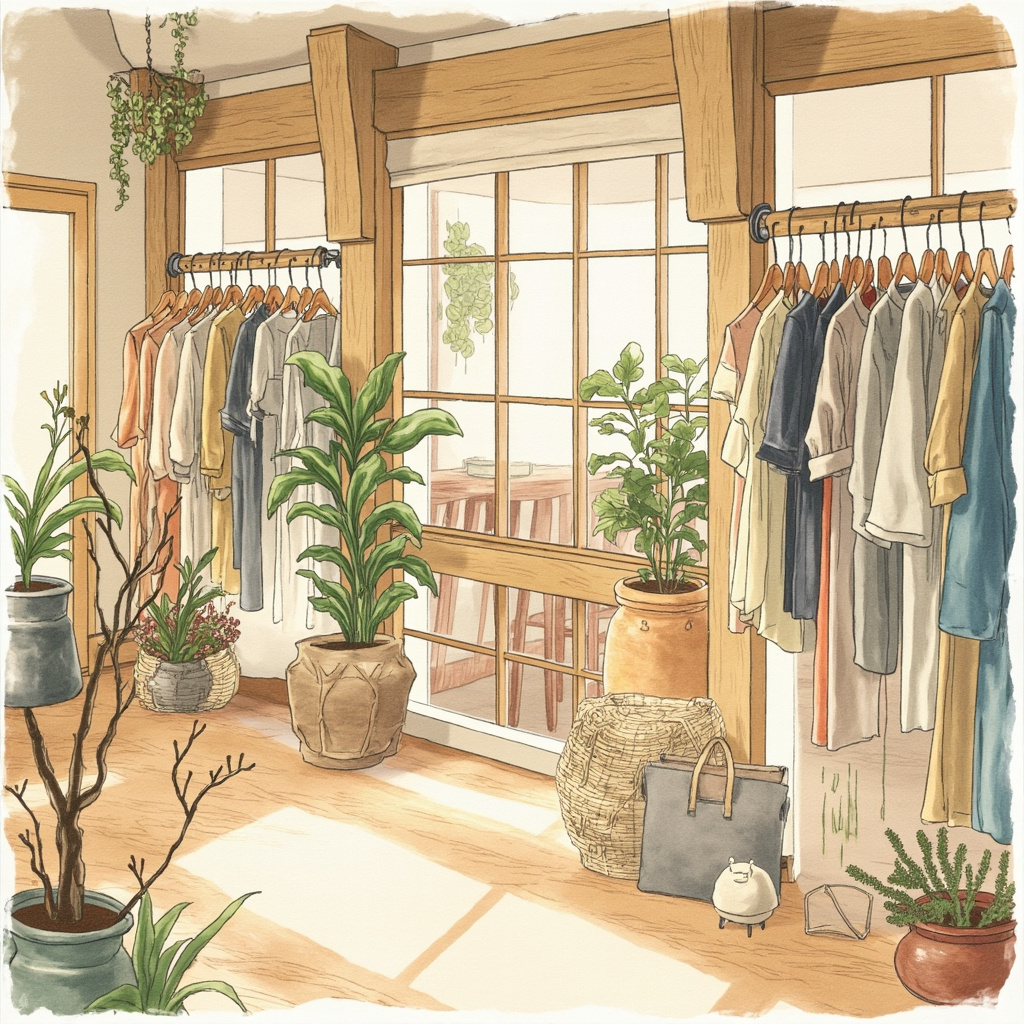
Most brands that reference heritage do it as a marketing angle. Dear Samfu actually does it. Their pieces reimagine the relaxed samfu silhouette for contemporary women—vintage-style dresses, oversized shirts, floral skirts, modern cheongsam-inspired pieces. Clothes designed to be worn, not just admired.
The Deadstock Fabric Story Is Actually True Here
Every sustainable brand claims to use deadstock fabric. Dear Samfu actually documents theirs: deadstock from Thailand and Cambodia, supplemented with responsibly sourced cotton, rayon, and linen. They manufacture in small batches at a woman-owned factory in Phnom Penh, Cambodia.
Small batches. That phrase matters. It means when a design sells through, it’s gone. When a fabric lot runs out, that piece won’t be restocked in a different colorway. If you see something you like, the clock is genuinely ticking.
What You’ll Actually Pay
Singapore sustainable fashion isn’t budget-friendly. Here’s the reality:
– Dresses: S$89 – S$169
– Tops: S$49 – S$89
– Bottoms: S$59 – S$99
For a dress made from deadstock fabric, ethically produced, in a small batch—these prices are actually reasonable. Not cheap, but not designer markup either.
The question isn’t whether Dear Samfu is worth S$129 for a dress. The question is whether a dress you’ll actually wear for ten years is worth S$129, versus a S$40 “sustainable” option from a fast fashion retailer that will pill and fade in two seasons.
What Dear Samfu Does Well
The samfu sets are the standout. A coordinated top and bottom in complementary deadstock fabrics—these work as relaxed sets or separates. The floral wrap dresses have genuine personality without being costume-y. The oversized button-downs are the kind of shirt you’ll reach for constantly.
The design philosophy—timeless over trends—shows. These aren’t going to look dated next season. They’re also not trying to make a statement about sustainability. They’re just clothes that happen to be made sustainably.
Where Dear Samfu Falls Short (Honestly)
No brand is without compromises, and Dear Samfu is upfront about theirs: they’re still using some conventional materials, still shipping internationally (carbon footprint), still producing in Cambodia (better than fast fashion, but not zero impact).
The limited availability is also a feature and a frustration. Following them on Instagram is basically required if you want to know when new drops happen. There’s no loyalty program, no waiting list, no restock notifications.
Also: sizing runs relaxed. If you want fitted, size down.
Who This Is For
Dear Samfu is for the Singapore woman who wants sustainable fashion that looks like she put thought into her outfit, not like she just discovered hemp. Who appreciates heritage reimagined for contemporary life. Who doesn’t need to announce her values through her clothing.
It’s not for: budget shoppers (there are better options at lower prices), people who need instant gratification (new drops sell out), those who prefer trend-driven wardrobes.
If you’re the kind of person who has a favorite local boutique you tell people about—the one that’s not on Orchard Road—Dear Samfu is probably your kind of brand.
Where to Buy
The official website at dearsamfu.com has the full collection. Follow their Instagram @dearsamfu for pop-up announcements—they do occasional in-person events that sometimes have exclusive pieces.
No Lazada presence, which is actually consistent with their brand positioning. This is a direct-to-consumer brand that values the customer relationship over wide distribution.
The Bottom Line
Dear Samfu succeeds where most sustainable fashion brands fail: the clothes are desirable independent of the sustainability story. You could love these pieces and never think about deadstock fabric, anyaman weaving, or carbon footprints. The sustainability is a bonus, not the product.
That said, sustainable fashion at Dear Samfu’s price point requires commitment. Not everyone needs clothes that will last ten years. But if you do—if you’re building a wardrobe of pieces rather than a closet full of fast fashion—this is one Singapore brand worth knowing.